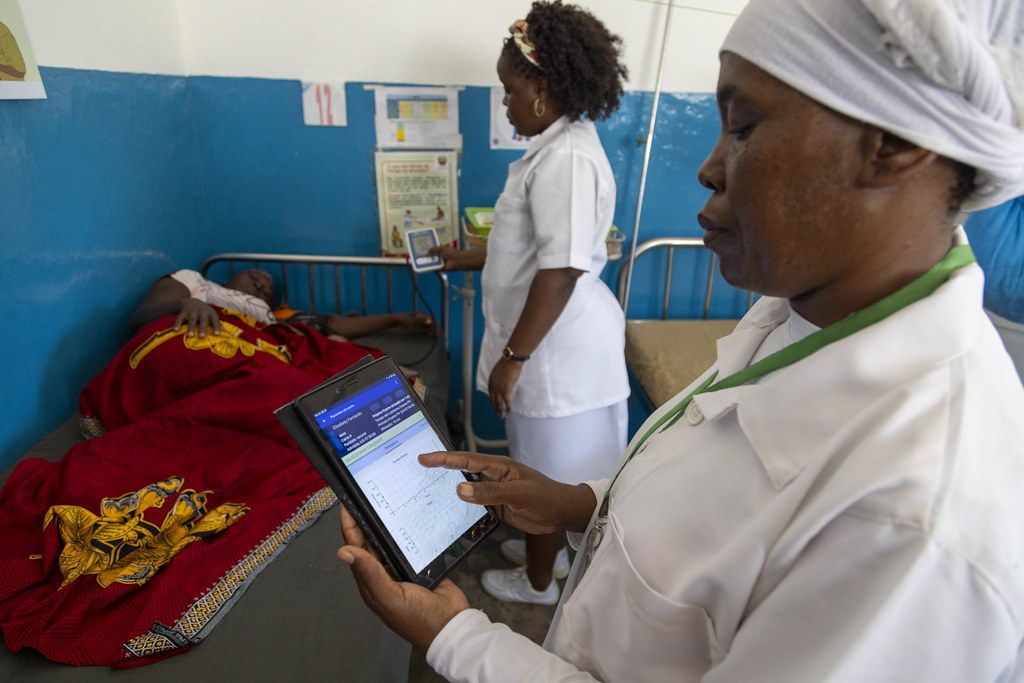
The Importance of Medical Credentialing for Healthcare Providers
Understanding Medical Credentialing
Medical credentialing is a critical process that verifies the qualifications and professional background of healthcare providers. This procedure ensures that practitioners, including doctors, nurses, and allied health professionals, meet the necessary standards to offer safe and effective care. Credentialing involves a thorough review of educational history, training, licensure, and any relevant certifications. For organizations such as hospitals, clinics, and surgical centers, maintaining a robust credentialing system is essential to uphold quality care and patient safety.
The Role of Credentialing in Hospital Privileging
Hospital privileging is a vital component of the credentialing process, granting healthcare providers the authority to perform specific procedures within a hospital setting. This process requires rigorous verification of a provider’s expertise and experience in specialized areas of medicine. By ensuring that practitioners are appropriately credentialed and privileged, hospitals can mitigate risks and enhance patient outcomes. TAI Credentialing offers comprehensive services in this area, streamlining the privileging process and ensuring compliance with all regulatory requirements.
Enhancing Productivity with Efficient Credentialing
Efficient credentialing processes are crucial for healthcare organizations aiming to improve productivity and profitability. By outsourcing credentialing services to a specialized provider like TAI Credentialing, medical groups and clinics can focus on their core mission of delivering high-quality patient care. A streamlined credentialing process reduces administrative burdens, minimizes delays in provider onboarding, and ensures continuous compliance with licensing and accreditation standards. This efficiency translates into better resource allocation and improved operational outcomes.
Credentialing and Compliance in Government Enrollments
Healthcare providers must navigate complex regulatory landscapes to participate in government health programs such as Medicare and Medicaid. Credentialing is a fundamental aspect of this participation, requiring meticulous attention to detail and adherence to strict guidelines. TAI Credentialing assists providers in managing the extensive documentation and verification processes necessary for successful government enrollments. By ensuring compliance with all federal and state regulations, healthcare organizations can expand their patient base and enhance their service offerings.
Conclusion
In the ever-evolving healthcare landscape, medical credentialing remains a cornerstone of quality assurance and operational efficiency. For individual providers and large medical organizations alike, partnering with a trusted credentialing service like TAI Credentialing can make a significant difference. By prioritizing credentialing, healthcare entities can ensure compliance, reduce risks, and ultimately deliver superior patient care. As the industry continues to grow and change, the role of credentialing will remain integral to the success and sustainability of healthcare services.