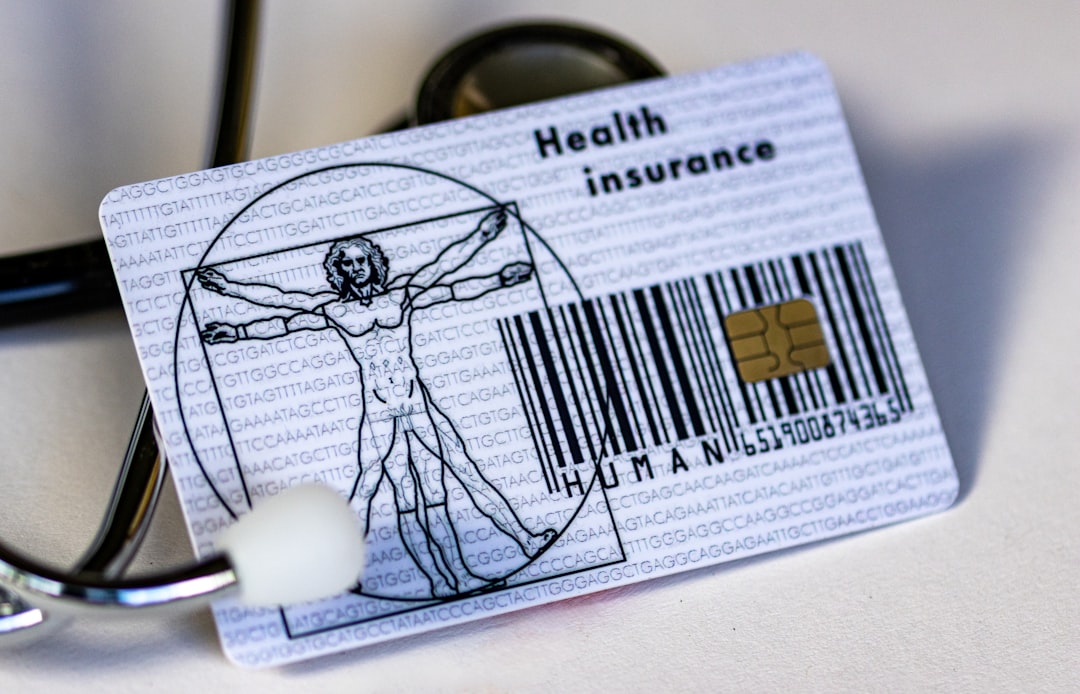
Streamlining Medical Credentialing: Enhancing Efficiency and Reliability
The Importance of Medical Credentialing in Healthcare
Medical credentialing is a critical process that involves verifying the qualifications and experiences of healthcare providers. This ensures that patients receive care from professionals who meet the highest standards of competence and trustworthiness. In today’s complex healthcare environment, efficient credentialing is essential not only for compliance with regulations but also for maintaining the reputation and operational efficiency of medical practices and facilities. With the increasing demand for healthcare services, particularly in outpatient surgical centers and clinics, streamlined credentialing processes can significantly enhance both productivity and profitability.
Challenges in Outpatient Surgical and Clinic Credentialing
The credentialing process for outpatient surgical centers and clinics is multifaceted and often challenging. It involves numerous steps, from verifying educational backgrounds to assessing professional licenses and work history. The stakes are high, as any lapses can lead to delays in patient care, legal liabilities, and financial losses. For facilities that rely on a diverse team of healthcare providers, including physicians, physician assistants, and nurse practitioners, navigating these complexities requires precision and expertise. This is where professional credentialing services, like those offered by TAI Credentialing, become invaluable. They help ensure that all personnel are properly credentialed, allowing the facility to focus on providing high-quality care.
Credentialing Solutions for Physician Assistants and Nurse Practitioners
Physician assistants and nurse practitioners are integral to the modern healthcare team, often serving as primary care providers and offering specialized services. Credentialing for these professionals is just as crucial as it is for physicians. It involves additional considerations, such as prescriptive authority and collaborative agreements, which vary by state and institution. A comprehensive credentialing service helps address these variables efficiently, ensuring that these healthcare providers can practice to the full extent of their training and licensure. By facilitating seamless credentialing for physician assistants and nurse practitioners, healthcare facilities can expand their service offerings and improve patient access to care.
Addressing Behavioral Health Credentialing Needs
The demand for behavioral health services has surged, highlighting the need for efficient credentialing processes in this specialty. Behavioral health professionals, including psychologists, social workers, and counselors, must navigate a complex landscape of certifications and state-specific requirements. Streamlined credentialing processes not only support compliance and reduce administrative burdens but also enable timely access to mental health services for patients. Partnering with a credentialing service that understands the unique aspects of behavioral health can help practitioners focus on patient care while ensuring all regulatory and professional requirements are met.
Conclusion: The Role of Professional Credentialing Services
As healthcare continues to evolve, the importance of efficient and reliable credentialing cannot be overstated. Whether it's for medical billing, outpatient surgical and clinic credentialing, or specialized fields like physician assistance and behavioral health, a professional credentialing service can provide the expertise and support needed to navigate the complexities of the process. By partnering with a credentialing expert, healthcare providers and facilities can ensure compliance, enhance operational efficiency, and ultimately improve the quality of care provided to their patients.